- PG-13
- 1h 51m
- Directed by
-
- Warren P. Sonoda
- Book
- Chris Whaley
- Premiered
- January 08, 2016
- Language
-
- English
- Status
- Released
- Awards
-
- 1 win & 3 nominations total
- Country
-
- United States of America
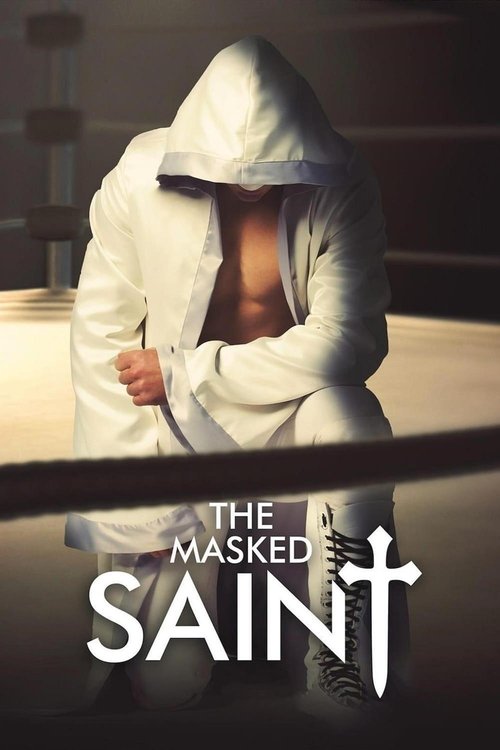
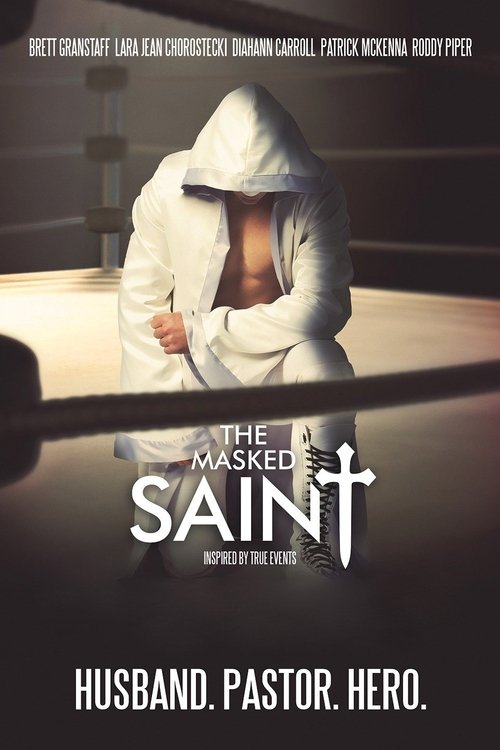
The Masked Saint
- Production
-
- Ridgerock Entertainment Group
- P23 Entertainment
Spoiler
The landscape of faith-based cinema has seen a significant surge in recent years, with studios like Pure Flix Entertainment and Freestyle Releasing actively seeking out Christian-themed narratives for theatrical distribution. This trend was notably amplified by the unexpected success of "God's Not Dead," a film that captured considerable attention, even overshadowing the biblical epic "Noah." Hollywood, too, has acknowledged a substantial segment of the audience feeling underserved by mainstream cinema, leading to productions like "Heaven is for Real" and "Son of God."
While 2015 offered a plethora of faith-based releases, the quality was largely inconsistent, with many falling into the category of mediocre or outright disappointing. This set the stage for 2016, a year where almost any new faith-based film had the potential to elevate the genre's standing. "The Masked Saint," arriving on the very first formal movie weekend of the year, aimed to capitalize on this opportunity. However, rather than offering a significant improvement, the film, despite not reaching the missteps of something like "War Room," ultimately feels like a superficial attempt to polish a genre that still struggles with its core identity. It’s less about wiping the slate clean and more about a light smudge, making the existing mess appear marginally neater.
At its heart, "The Masked Saint" is inspired by the true story of Chris Samuels, portrayed by Brett Granstaff. Samuels, a former professional wrestler, decides to hang up his boots and embrace a quieter life. He relocates to a small town with the intention of becoming the pastor of a struggling church. While his wife, Michelle (Lara Jean Chorostecki), and daughter offer unwavering support, Chris immediately encounters resistance from Judd (Patrick McKenna), the church's primary financial benefactor, who views the institution as his personal domain. Beyond the church walls, Chris witnesses the pervasive decay of his community, where crime, prostitution, and a general lack of spiritual grounding are daily realities. This moral malaise even infiltrates his immediate surroundings, exemplified by his next-door neighbors: a husband mired in alcoholism and prone to violent outbursts, and his wife, a victim of his brutal assaults.
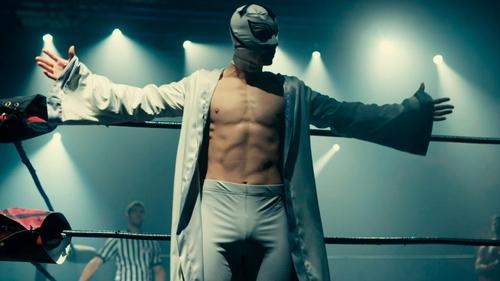
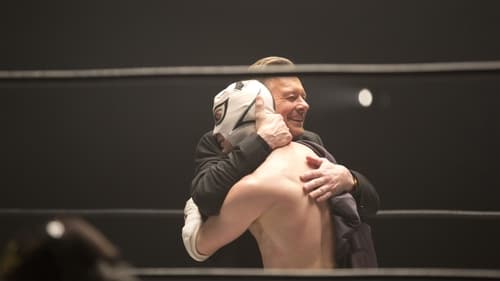
The central narrative arc follows Chris's earnest efforts to revitalize the church, aiming to make it a welcoming sanctuary for all, including a prostitute seeking a path to redemption. However, the film takes a sharp turn as Chris grapples with the escalating violence in his town. In an attempt to combat these injustices, he dons a portion of his wrestling attire, transforming into a masked vigilante who takes matters into his own hands. This clandestine persona allows him to intervene in dangerous situations, such as rescuing the aforementioned prostitute and thwarting a robbery at a local diner. Adding another layer to the drama is Nicky (Roddy Piper, in his final on-screen appearance), Chris's former wrestling manager and promoter, who is relentlessly trying to lure him back into the professional wrestling circuit.
The film struggles to maintain a consistent tone. At times, "The Masked Saint" aspires to be a poignant drama, focusing on Chris's dedication to restoring a dilapidated church into a beacon of salvation and community. In other moments, it attempts to inject excitement through action sequences where Chris, much like a superhero, confronts wrongdoers. These scenes are often punctuated by dialogue that feels remarkably forced and delivered with a lack of conviction, such as his response, "I'm a man," when told, "you're a saint." The film cannot settle on a singular dramatic foundation, instead resorting to incredulous action sequences or overly sentimental sermons that sound like a superficial summary of biblical teachings.
Screenwriter Scott Crowell demonstrates a commendable restraint when it comes to emotional manipulation, appearing more focused on honoring the real-life Chris Samuels and his family by grounding the narrative in plot and character development rather than overt emotional appeals. However, several plot threads and character relationships that initially promise significant depth are either relegated to the periphery or awkwardly shoehorned into the screenplay in a desperate attempt to generate tension or conflict. For instance, the abusive husband, who initially seems poised to play a crucial role in Chris's mission to uplift the community, is largely relegated to a mere plot device. After a single, tense confrontation with Chris that feels detached from reality, the husband undergoes a sudden and implausible transformation in both his appearance and demeanor by the time he next encounters the pastor he previously despised.
Another underdeveloped element is Chris's internal struggle with balancing his wrestling commitments and his pastoral duties. In one scene, Ms. Edna (Diahann Carroll), a stereotypical yet warm community resident who embodies the welcoming spirit often found in faith-based films, admonishes Chris for being overly strict and self-absorbed. This criticism feels unearned, as his behavior hasn't yet manifested to that degree. It's only in the subsequent scene that he abruptly lashes out at his wife and daughter without apparent provocation. These disjointed narrative choices inadvertently highlight the more sensationalistic and less believable aspects of "The Masked Saint's" screenplay, bringing them to the forefront with greater clarity.
Last year's faith-based football drama, "Woodlawn," illustrated how an overemphasis on faith and religious devotion can sometimes detract from or even undermine a compelling true story that already possesses an almost unbelievable quality. "The Masked Saint" attempts a different approach, exploring an unconventional sport and an unlikely hero, but it ultimately succumbs to the most predictable pitfalls of its genre and source material. While the effort is commendable, the final product is largely forgettable.
Top Billed Cast




Core Crew


Posters

Backdrops