- R
- 2h 35m
- Directed by
-
- Ridley Scott
- Story
- David Franzoni
- Premiered
- May 04, 2000
- Language
-
- English
- Status
- Released
- Budget
- $103,000,000.00
- Revenue
- $465,516,248.00
- Awards
-
- Won 5 Oscars. 61 wins & 104 nominations total
- Country
-
- United Kingdom
- United States of America
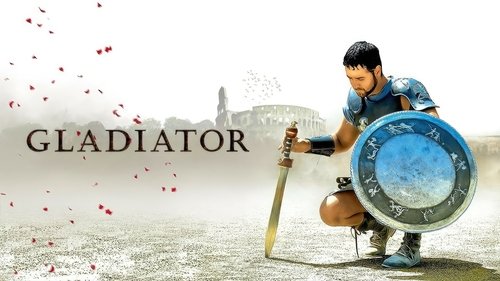
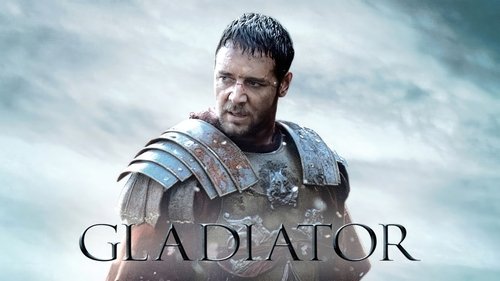
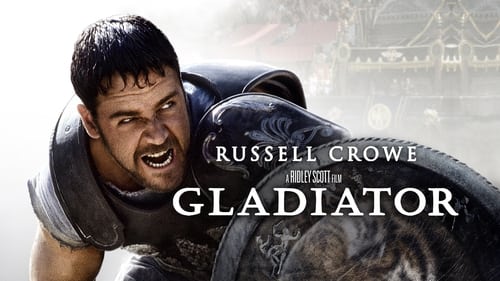
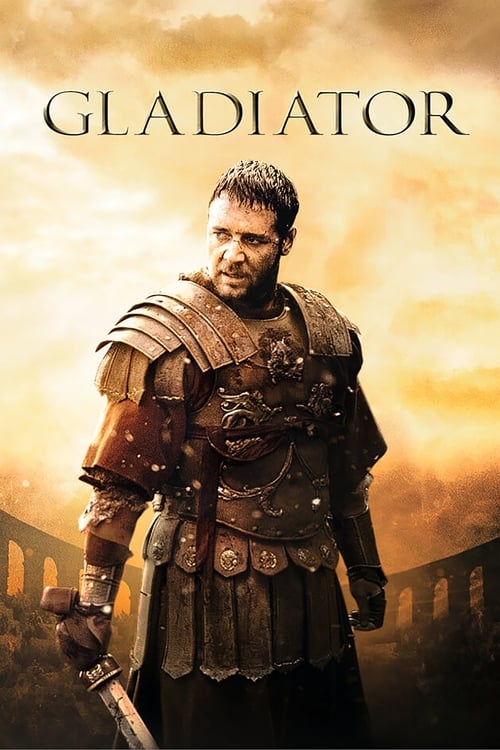
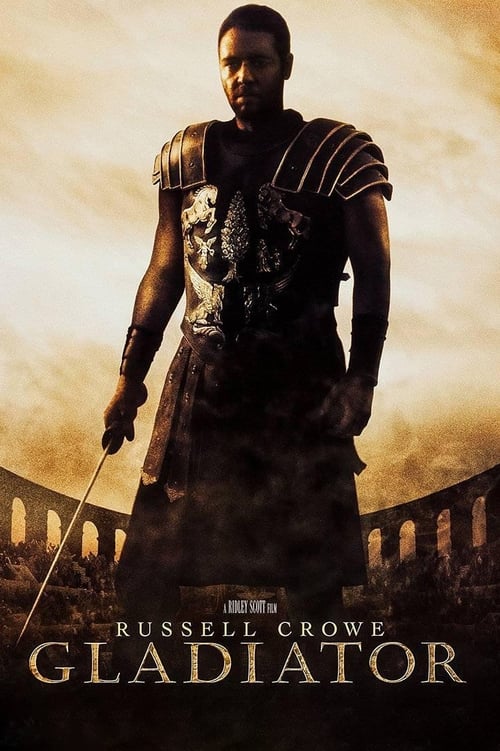
Gladiator
- Production
-
- Universal Pictures
- Scott Free Productions
- Red Wagon Entertainment
- Mill Film
Spoiler
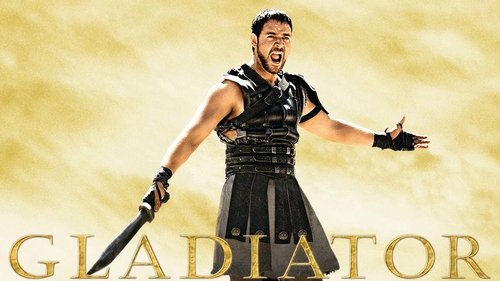
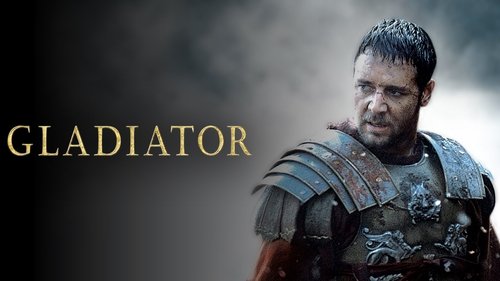
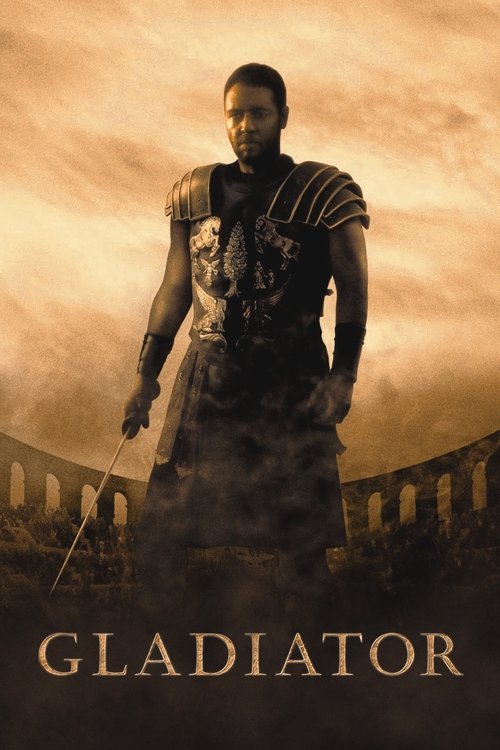
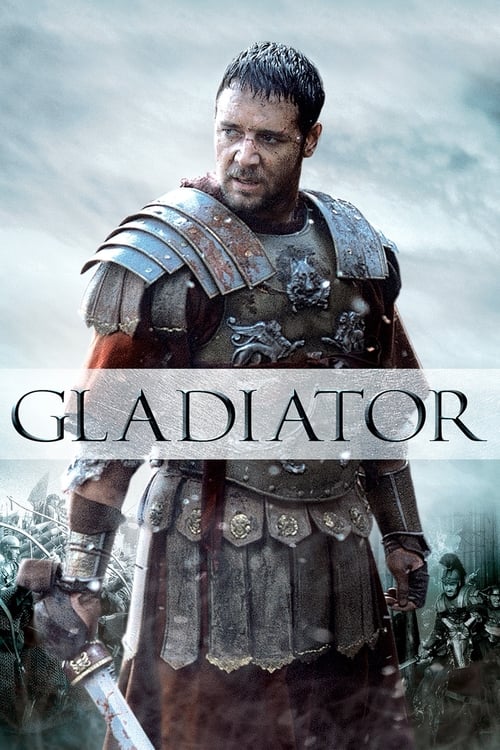
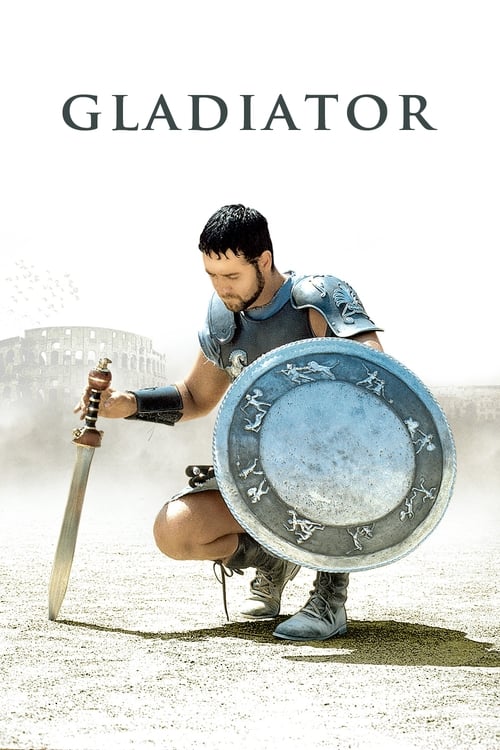
Ridley Scott's 2000 masterpiece, Gladiator, is a sweeping historical drama that transcends its genre, offering a profound exploration of power, betrayal, and the enduring human spirit. Starring Russell Crowe in an Oscar-winning performance, the film plunges audiences into the heart of ancient Rome, where a decorated general's life is shattered, forcing him onto a path of brutal combat and ultimate retribution.
The film opens with a visceral image: a hand, weathered and calloused, brushing through a vast field of wheat. This evocative shot, a cinematic trope often employed to signify a return to roots or a moment of quiet contemplation, immediately sets a tone of grounded reality, even as the epic scale of the narrative is about to unfold. This is not merely a visual flourish; it’s a poignant foreshadowing of the protagonist's eventual yearning for the simple life he lost.
We are then thrust into the brutal realities of Roman military might as General Maximus Decimus Meridius, a man of unwavering loyalty and formidable skill, leads his legions against the last vestiges of Germanic resistance. The opening skirmish is a stark depiction of warfare's savagery. In a chilling display of defiance, the German forces decapitate a Roman messenger, parading his severed head as a grim trophy. This act of barbarity underscores the ferocity of the conflict and the high stakes involved. One can't help but wonder about the fate of these defeated warriors; would any have found their way into the gladiatorial arenas, their fighting prowess repurposed for Roman entertainment?
Maximus, a leader whose very presence inspires devotion, rallies his troops with a powerful declaration: "At my signal, unleash hell." Such is his charisma and strategic brilliance that his soldiers would undoubtedly follow him through any inferno. The film, at its core, can be viewed as a grand slave rebellion narrative intertwined with the raw spectacle of ancient combat, a precursor to modern mixed martial arts. The potential for a prequel, focusing solely on Maximus's military campaigns, is tantalizing, offering a pure war epic filled with the kind of stoic leadership and primal intensity that defined his character. One can easily envision him draped in wolf pelts, a formidable warrior leading his men with an almost supernatural aura.
His pre-battle oration continues with a line that has resonated through cinematic history: "What we do in life echoes in eternity!" This profound statement, delivered with conviction, begs for a compilation, a collection of Maximus's wisdom akin to Marcus Aurelius's philosophical musings. His pronouncements possess a timeless quality, offering guidance and inspiration.
The main Roman army engages the enemy, while Maximus executes a brilliant flanking maneuver, cutting off their retreat. The score, surprisingly reminiscent of the Pirates of the Caribbean soundtrack, injects an unexpected, yet undeniably epic, energy into the scene. Hans Zimmer's masterful composition, whether intentional or not, amplifies the grandeur of the Roman charge. As the soldiers surge forward, their unified cry of "Roma Victor!" echoes across the battlefield. While a student of Latin might point out a grammatical nuance, the sentiment is clear: a declaration of Roman triumph. The film's inclusion of scattered Latin phrases, and the very name "Maximus" – meaning "The Greatest" – imbues the narrative with an authentic, powerful resonance, far surpassing the masculine gravitas of names like Rocky or Snake Plissken.
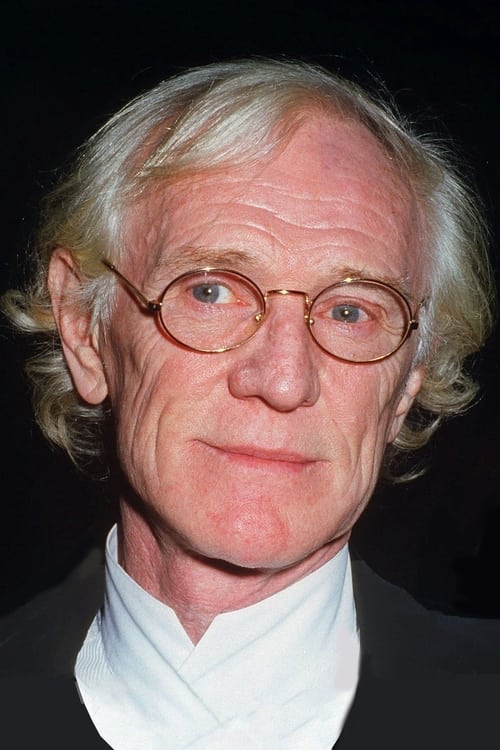
The aging Emperor Marcus Aurelius, a figure of wisdom and gravitas, shares intimate moments with Maximus, whom he regards as a son. Richard Harris, in his portrayal of Marcus Aurelius, delivers a performance of immense weight and poignancy. Though his screen time is limited, every word he speaks carries profound significance, and his presence elevates every scene he inhabits. His performance is so impactful that it begs the question of why he wasn't recognized with a Best Supporting Actor nomination.
Aurelius then delivers a devastating blow to his son, Commodus, informing him that he will not inherit the throne. Joaquin Phoenix, in a performance that earned him a Best Supporting Actor Oscar nomination, embodies Commodus's seething resentment and desperate ambition with chilling authenticity. His pleas to his father, laced with tears and a palpable lust for power, reveal a character consumed by insecurity and a desperate need for validation. Phoenix's portrayal is a masterclass in conveying complex, dark emotions, showcasing his immense talent long before his broader recognition.
The pivotal scene unfolds as Marcus Aurelius, acknowledging his failings as a father, opens his arms to Commodus. The audience, privy to the dramatic irony, knows the tragic outcome. Commodus, driven by a lifetime of perceived slights and a thirst for power, commits patricide. This act of regicide is not merely a plot device; it is the catalyst that transforms Commodus from a petulant prince into a fully realized, albeit monstrous, antagonist, his ambitions and actions imbued with a disturbing depth.
Now emperor, Commodus orders Maximus's execution. However, Maximus, demonstrating his resourcefulness and resilience, escapes in a thrilling sequence. A particularly memorable line, "The frost – sometimes it makes the blade stick," serves as a clever, almost darkly humorous, justification for his survival, akin to a jammed firearm in a more modern thriller. This scene, set against a backdrop of snow-covered landscapes, highlights the film's capacity for visually striking action, and Russell Crowe's portrayal of a dramatic actor convincingly embodying an action hero is remarkable.
Following his escape, Maximus embarks on a solitary journey, depicted through a series of majestic, wide-angle shots of him riding through vast, mountainous terrain. The sheer distance he covers, from Germania to his home in Spain, is a testament to his unwavering determination.
His arrival home is met with unimaginable tragedy. His farm is burned, and his wife and child are brutally murdered and crucified. The man who longed only to return to his family now has a singular, all-consuming purpose: vengeance. Commodus has inadvertently forged Maximus into an even more formidable force.
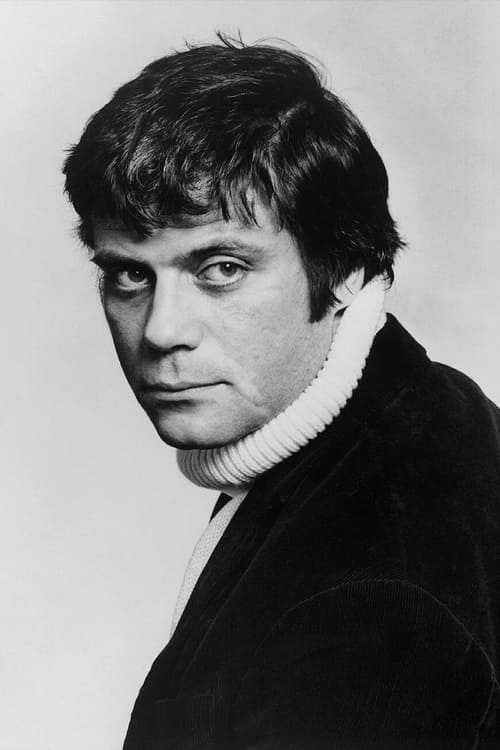
Captured and sold into slavery, Maximus finds himself under the tutelage of Proximo, a flamboyant and formidable figure portrayed by Oliver Reed. Proximo's introduction is unforgettable, a testament to Reed's larger-than-life persona, as he forcefully demands a refund for a faulty purchase. His untimely death before completing the film is a significant loss.
The gladiatorial training and early battles are depicted with gritty realism. A signature ritual of Maximus's is his habit of rubbing sand on his hands before each fight. This gesture, a nod to his agrarian past, becomes a powerful symbol of his connection to the earth and his enduring humanity, comparable to the iconic pre-game rituals of modern athletes.
Meanwhile, Commodus revels in his new power, parading through Rome in a triumphant procession. The palpable disdain of the Roman populace and senators for their new emperor is evident. Commodus, with his sunken eyes and pallid complexion, emerges as one of cinema's most detestable villains. His slimy demeanor, neurotic tendencies, and ostentatious, almost ridiculous, armor paint a picture of a man utterly consumed by his own vanity and insecurity. He stands as a chilling counterpoint to the stoic nobility of Maximus.
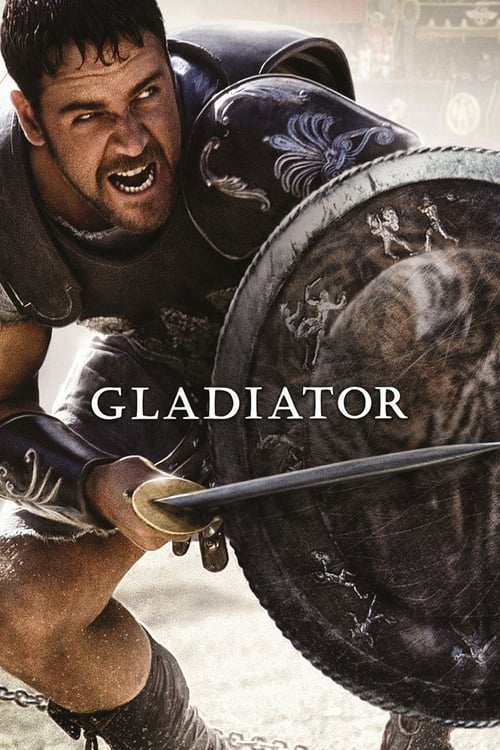
Maximus, now known as "the Spaniard," begins his ascent in the gladiatorial arena. In one astonishing display, he single-handedly defeats six opponents. Russell Crowe's casting as Maximus is inspired. While not possessing the imposing physique of some of his fellow gladiators, Crowe brings a profound gravitas, a relatable sensitivity, and an undeniable charisma to the role. He is not a flawless Adonis, but a man of intelligence, leadership, and deep emotion, a hero who connects with the audience on a soulful level.
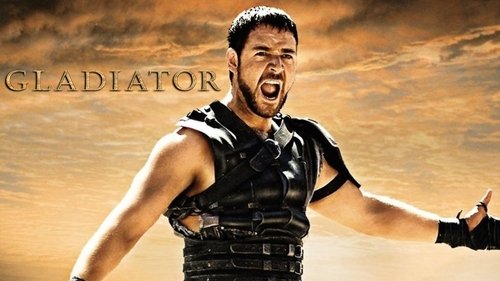
His triumphant roar, "ARE YOU NOT ENTERTAINED!!??", becomes an anthem of defiance against the oppressive system. This iconic line, a powerful taunt directed at the crowd and, by extension, the corrupt powers that be, has become deeply ingrained in popular culture.
The gladiators arrive in Rome for the grand tournament. Crowe's physical transformation for the role, including a significant weight loss after his role in The Insider, is a testament to his dedication. His return to his farm in Australia for training further emphasizes his commitment to embodying the character.
The first major Roman arena battle is a spectacular re-creation of the Battle of Carthage. This sequence is arguably the film's most exhilarating, showcasing Maximus's leadership, strategic brilliance, and sheer combat prowess. The sheer scale and intensity of the fight leave the audience breathless, questioning if it ranks among the greatest cinematic battle sequences.
Following this victory, Commodus demands to meet "the Spaniard." Maximus, recognizing the emperor's nephew, chooses not to exact immediate revenge, demonstrating a restraint that further solidifies his heroic stature. His imposing Spanish barbarian helmet adds to his formidable presence.
In a moment of profound revelation, Maximus removes his helmet, uttering the film's most iconic line: "My name is Maximus Decimus Meridius. Commander of the armies of the North, General of the Felix Legions, loyal servant to the true emperor, Marcus Aurelius. Father to a murdered son, husband to a murdered wife. And I will have my vengeance, in this life or the next." The power of this declaration, coupled with Crowe's masterful delivery, is simply breathtaking.
The Roman crowd, swayed by Maximus's courage and the injustice of his situation, forces Commodus to spare his life. This moment of popular will triumphing over imperial decree is a powerful thematic element. The historical accuracy of the thumbs-up gesture is debated, but in the context of the film, it signifies mercy and a reprieve for Maximus.
Commodus, deeply unsettled by Maximus's survival, expresses his vexation with a line that is both a testament to his frustration and an underrated gem of performance: "I'm terribly vexed." This understated reaction underscores his growing desperation.
Maximus's first face-to-face encounter with Lucilla, the emperor's sister, in his prison cell is charged with unspoken tension. The scene, punctuated by the question, "AS YOU WEPT FOR YOUR FATHER?", highlights the complex web of relationships and loyalties. Crowe's performance here is crucial, grounding the film and preventing it from descending into melodrama. The palpable sexual tension between Maximus and Lucilla is undeniable, yet the film wisely avoids an overt romance, respecting Maximus's enduring love for his deceased wife.
Maximus shares moments of camaraderie with his fellow gladiators, including Djimon Hounsou's character. These scenes offer glimpses into the shared humanity and brotherhood forged in the crucible of combat, a welcome respite from the brutality. The film wisely eschews a clichéd training montage, opting for more organic character development.
The duel between Maximus and an undefeated gladiator, culminating in the introduction of tigers, is a thrilling spectacle. The use of real tigers underscores the commitment to authenticity and the sheer danger faced by the combatants.
Commodus, increasingly frustrated by his inability to eliminate Maximus due to the crowd's adoration, whines about his predicament. His pathetic display is a stark contrast to Maximus's unwavering resolve. It is noted that Jack Gleeson, who later played the villainous King Joffrey in Game of Thrones, drew inspiration from Commodus's sniveling persona.
Commodus's disturbing, near-incestuous advances towards his sister Lucilla further highlight his depravity, foreshadowing the dark themes explored in later popular culture.
Lucilla, driven by a desire to protect her son and overthrow her tyrannical brother, secretly meets with Maximus to plan his escape. Their kiss, a moment of shared vulnerability and defiance, is fraught with the knowledge of their precarious situation.
Lucilla's return to the palace reveals Commodus's suspicion. His chilling pronouncement, "busy little bee," signals his awareness of her betrayal and seals the fate of any escape plan, ensuring the final confrontation will occur in the arena.
The night before the tournament, Commodus launches a brutal assault on the gladiator camp, attempting to prevent Maximus's escape. The ensuing bloodshed, as gladiators sacrifice themselves to buy Maximus time, is heartbreaking. Proximo's death, a noble sacrifice, and the loss of other beloved characters, underscore the immense cost of their rebellion.
Commodus, in a moment of unhinged madness, reveals his true villainy, monologuing about using Lucilla's son as a hostage and his desire for a "pureblood heir." His bellowed question, "AM I NOT MERCIFUL!?", is a chilling testament to his delusion. Connie Nielsen's genuine fear in this scene, a reaction to Joaquin Phoenix's ad-libbed performance, adds a layer of raw authenticity.
As the final confrontation approaches, the crowd's chants of "Maximus!" grow louder, a testament to his status as a symbol of hope and resistance. His ability to inspire such devotion, from the masses to his fellow soldiers and gladiators, is a testament to his character and Russell Crowe's perfect embodiment of that character.
The climactic duel between Maximus and Commodus is a brutal, personal battle. While Commodus is a capable fighter, his reliance on treachery, such as stabbing Maximus with a poisoned knife, reveals his inherent cowardice. The film notes that Commodus was, in reality, the only Roman emperor to participate in gladiator fights.
Maximus, using the same poisoned blade, ultimately defeats Commodus. He then staggers to his death, his spirit finally free to reunite with his family in Elysium. His final resting place is marked by Juba, who buries relics as a testament to Maximus's legacy, uttering the poignant words, "Now we are free…. and I will see you again. But not yet. Not yet."
Top Billed Cast







Core Crew






Posters
Backdrops